Why Visit Sikkim? India's Best-Kept Mountain Secret
Sikkim is the jewel of northeast India — a tiny Himalayan state that packs more natural beauty, cultural richness, and spiritual depth per square kilometre than almost anywhere else on the planet. Dominated by the towering presence of Kanchenjunga, the world's third-highest peak at 8,586 metres, Sikkim offers travellers an intoxicating mix of snow-capped mountains, ancient Buddhist monasteries, steaming hot springs, pristine glacial lakes, and some of the friendliest people you will ever meet.
Declared India's first fully organic state in 2016, Sikkim has long been a pioneer in sustainable living. The state banned plastic bags years before most Indian cities even considered it. Its capital, Gangtok, is consistently ranked among the cleanest cities in the country. For travellers who care about responsible tourism, Sikkim is a destination that practises what it preaches.
A north east Sikkim tour is unlike any other trip in India. Whether you are driving up to the Indo-China border at Nathula Pass at 4,310 metres, watching the sunrise paint Kanchenjunga gold from Pelling, trekking through rhododendron forests that explode in crimson and pink every spring, or simply sipping butter tea at a roadside monastery, Sikkim delivers experiences that stay with you long after you have returned home. This comprehensive Sikkim travel guide for 2026 covers everything you need to plan the perfect trip — from the best places to visit and sample itineraries to permits, budgets, and practical tips.
Top Places to Visit in Sikkim
1. Gangtok — The Capital City
Gangtok is the logical starting point for any Sikkim tour package. Perched at 1,650 metres on a ridge overlooking the Ranipul River valley, the city offers stunning views of Kanchenjunga on clear days. Stroll along MG Marg, the pedestrian-only main street lined with cafes and shops. Visit the Enchey Monastery, the Namgyal Institute of Tibetology (one of the world's most important centres for Buddhist research), and the Rumtek Monastery, seat of the Karmapa. For panoramic views, head to Tashi Viewpoint or Ganesh Tok at dawn.
2. Tsomgo Lake (Changu Lake)
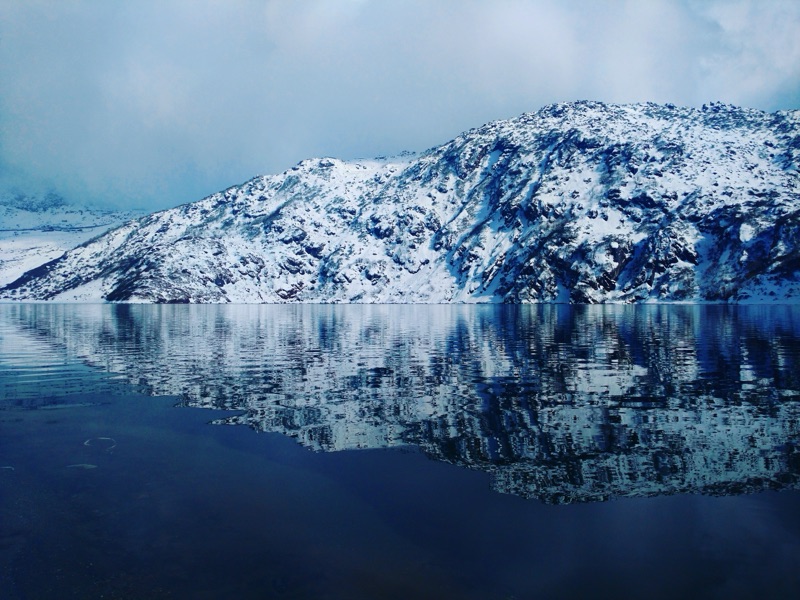
Located 40 kilometres from Gangtok at an altitude of 3,753 metres, Tsomgo Lake is a glacial lake that changes colour with the seasons. In spring, the surrounding slopes are carpeted with rhododendrons and primulas. In winter, the lake freezes solid and the entire landscape turns into a white wonderland. Yak rides are available on the shores. The lake is on the route to Nathula Pass, so most visitors combine both in a single day trip from Gangtok.
3. Nathula Pass
Nathula Pass sits at 4,310 metres on the Indo-China border and is one of the highest motorable roads in the world. The pass was a major trading route on the ancient Silk Road and was reopened for border trade in 2006. Indian tourists can visit the border post where Indian and Chinese soldiers stand just metres apart. The drive from Gangtok takes about 3 hours and passes through spectacular mountain scenery. Note that Nathula is only open Wednesday through Sunday and requires a special permit arranged through a registered Gangtok tour operator.
4. Pelling
Pelling is the gateway to western Sikkim and offers some of the most dramatic views of Kanchenjunga anywhere in the state. The Skywalk at Pelling, a glass-floored walkway suspended over a valley, has become one of Sikkim's most popular attractions. Nearby, the 17th-century Pemayangtse Monastery is one of the oldest and most significant in Sikkim. The Rabdentse Ruins, the former capital of the Sikkimese kingdom, are a short hike away and offer a peaceful spot with sweeping Himalayan views.
5. Ravangla
Ravangla sits between the Maenam and Tendong hills in south Sikkim and is best known for the Buddha Park (Tathagata Tsal), home to a magnificent 40-metre statue of the Buddha. The park is beautifully landscaped with meditation zones and walking paths. The drive to Ravangla from Gangtok takes about 3 hours through some of Sikkim's most scenic countryside, passing through cardamom plantations and dense forests. Ravangla is also the base for the Maenam Hill trek, which offers stunning sunrise views.
6. Gurudongmar Lake
At 5,183 metres, Gurudongmar Lake in north Sikkim is one of the highest lakes in the world and one of the most visually stunning. The turquoise water set against barren, snow-dusted mountains looks almost surreal. The lake is sacred to Buddhists, Hindus, and Sikhs alike. Getting there requires a special permit and the drive from Lachen takes about 3 hours on rough mountain roads. Altitude sickness is a real concern at this elevation, so proper acclimatisation is essential.
7. Darjeeling (Nearby Day Trip)
While technically in West Bengal, Darjeeling is just 100 kilometres from Gangtok and makes for an excellent add-on to any Sikkim tour. Famous for its tea plantations, the Darjeeling Himalayan Railway (a UNESCO World Heritage Site), and Tiger Hill sunrise views of Kanchenjunga and Everest, Darjeeling pairs perfectly with a Sikkim trip. The drive takes about 4 hours and passes through Teesta River valley scenery.
Best Time to Visit Sikkim
March to May — Spring (Peak Season)
Spring is the most popular time to visit Sikkim, and for good reason. Temperatures in Gangtok hover between 10°C and 22°C, making it comfortable for sightseeing. This is when Sikkim's legendary rhododendron forests burst into bloom — entire hillsides turn red, pink, white, and purple. The Singalila Ridge and Barsey Rhododendron Sanctuary are particularly spectacular during April. High-altitude lakes like Tsomgo begin to thaw, and the roads to Nathula Pass and Gurudongmar Lake reopen after the winter closures. Book your Gangtok hotels well in advance for April, as this is peak demand.
October to December — Autumn and Early Winter
The post-monsoon period offers crystal-clear skies and the best mountain views of the year. Kanchenjunga is visible almost every morning through November. Temperatures start cooling off — expect 5°C to 18°C in Gangtok — but the dry weather makes it ideal for trekking and sightseeing. The Diwali and Tihar festival period (usually October or November) adds a cultural dimension to your trip. By December, high-altitude passes begin to close and snowfall is possible above 3,500 metres.
When to Avoid
June to September is the monsoon season in Sikkim. The state receives heavy rainfall, and landslides frequently block mountain roads. Nathula Pass and Gurudongmar Lake are often inaccessible during these months. While the lush green scenery is beautiful, the practical challenges of travel during the monsoon make it unsuitable for most tourists. If you do visit in the monsoon, stick to Gangtok and nearby attractions that are less affected by road closures.
How to Reach Sikkim
By Air
The nearest major airport is Bagdogra Airport (IXB) in Siliguri, West Bengal, approximately 125 kilometres from Gangtok. Bagdogra has direct flights from Delhi, Mumbai, Kolkata, and Bangalore on airlines including IndiGo, SpiceJet, Air India, and Vistara. From Bagdogra, you can reach Gangtok in about 4 to 4.5 hours by taxi or shared jeep via NH10 through the Teesta River valley. Pakyong Airport, just 30 kilometres from Gangtok, opened in 2018 but has limited and irregular flight service — check schedules before counting on it.
By Train
The nearest railway station is New Jalpaiguri (NJP) in Siliguri, connected to most major Indian cities by regular trains. NJP is about 4 hours from Gangtok by road. Shared jeeps and taxis are readily available outside the station. The Siliguri Junction station is also an option and is slightly closer to the Sikkim highway.
By Helicopter
The Sikkim Tourism Development Corporation operates a helicopter service from Bagdogra to Gangtok. The flight takes just 30 minutes and offers breathtaking aerial views of the Teesta valley. Tickets cost approximately INR 5,500 per person one way and can be booked through the STDC website. Availability is limited — flights operate only in good weather and sell out quickly in peak season.
By Road
Sikkim Nationalised Transport (SNT) operates regular bus services from Siliguri to Gangtok. Private buses and shared jeeps are also available. The most scenic route follows the Teesta River through lush forests and small towns. Self-driving is possible but not recommended for first-time visitors due to narrow mountain roads and sharp hairpin turns.
Sample 5-Day Sikkim Tour Itinerary
This itinerary is designed for a first-time visitor and covers the highlights of east and west Sikkim. It assumes you arrive at Bagdogra or NJP on Day 0 and reach Gangtok by evening.
Day 1: Gangtok Sightseeing
Morning: Start with sunrise views of Kanchenjunga from Tashi Viewpoint. Visit the Enchey Monastery, a 200-year-old Vajrayana Buddhist monastery perched on a hilltop above Gangtok.
Afternoon: Explore the Namgyal Institute of Tibetology and the Do Drul Chorten (a large stupa with 108 prayer wheels). Head to Rumtek Monastery, the largest monastery in Sikkim, about 24 kilometres from the city centre.
Evening: Stroll along MG Marg, shop for Sikkimese handicrafts, and try a bowl of thukpa (Tibetan noodle soup) at a local restaurant. Overnight in Gangtok.
Day 2: Tsomgo Lake and Nathula Pass
Early Morning: Depart Gangtok by 7 AM with your registered tour vehicle (private cars are not allowed on this route). Drive to Tsomgo Lake (3,753 m), arriving by 9 AM. Spend 45 minutes at the lake, enjoy yak rides, and photograph the stunning glacial waters.
Mid-Morning: Continue to Nathula Pass (4,310 m) at the Indo-China border. Walk up to the border gate, visit the small memorial, and take in views of the Tibetan plateau on a clear day.
Afternoon: Stop at Baba Harbhajan Singh Temple on the return drive, a shrine dedicated to a soldier believed to protect travellers on this route. Return to Gangtok by 4 PM. Overnight in Gangtok.
Day 3: Gangtok to Pelling
Morning: Depart for Pelling (130 km, approximately 5 hours). The drive passes through Ravangla — stop briefly at the Buddha Park to see the towering 40-metre Buddha statue and enjoy panoramic views of the Himalayan range.
Afternoon: Arrive in Pelling and check in. Visit Pemayangtse Monastery, one of the oldest Nyingma monasteries in Sikkim, established in the 17th century. The monastery houses an incredible seven-tiered painted wooden model depicting the heavenly palace of Guru Rinpoche.
Evening: Walk to the Rabdentse Ruins, the former royal capital, for sunset views of Kanchenjunga. Overnight in Pelling.
Day 4: Pelling Exploration and Ravangla
Morning: Wake early for the sunrise over Kanchenjunga — Pelling offers some of the most dramatic dawn views in all of Sikkim. After breakfast, experience the Pelling Skywalk, a glass-bottomed walkway offering vertigo-inducing views of the valley below, and visit Sangachoeling Monastery, one of the oldest monasteries in Sikkim, reached by a short uphill hike.
Afternoon: Drive to Khecheopalri Lake, a sacred wish-fulfilling lake revered by both Buddhists and Hindus. Legend says no leaf is ever seen floating on its surface because birds pick them off. Continue to Ravangla for a more detailed exploration of the Buddha Park and Ralang Monastery.
Evening: Drive to NJP/Bagdogra area (approximately 5 hours) or head to Darjeeling (approximately 4 hours) if you are adding an extra day. Alternatively, return to Gangtok (3 hours) for your final night.
Day 5: Darjeeling Day Trip (Optional Extension)
Morning: If staying in Darjeeling, wake at 4 AM for the Tiger Hill sunrise (the panoramic view spans from Kanchenjunga to Everest on clear mornings). Visit the Batasia Loop and Ghum Monastery on the way back.
Mid-Morning: Tour a working tea estate — the Happy Valley Tea Estate is the most visited and offers guided tours explaining the full process from leaf to cup. Walk through the Darjeeling Himalayan Railway station and see the heritage toy train.
Afternoon: Visit the Padmaja Naidu Himalayan Zoological Park (home to the Red Panda breeding programme) and the Himalayan Mountaineering Institute. Depart for Bagdogra airport (3 hours) for your onward journey.
Where to Stay in Sikkim
Most visitors base themselves in Gangtok for the first few nights since it is the hub for arranging permits and day trips to Tsomgo Lake and Nathula Pass. Here is a breakdown by budget category.
Budget (INR 800 – 1,500/night)
Gangtok has a solid selection of budget hotels and hostels along the Tibet Road and below MG Marg. Look for places like Hotel Sonam Delek, Tagalong Backpackers, or Denzong Homestay. Rooms are simple but clean, with hot water (important at this altitude) and mountain views from higher floors. Homestays in Pelling and Ravangla are another excellent budget option, typically running INR 600 to 1,200 per night including meals.
Mid-Range (INR 2,000 – 5,000/night)
For more comfort, try The Nettle & Fern Hotel, Hotel Denzong Regency, or Summit Namnang Courtyard in Gangtok. These offer well-appointed rooms with Kanchenjunga views, in-house restaurants, and travel desks that can arrange tours and permits. In Pelling, Hotel Garuda and Pelling Resort offer good value with stunning views.
Luxury (INR 7,000 – 20,000+/night)
Mayfair Spa Resort & Casino in Gangtok is the city's premier luxury option, set on a hillside with panoramic views, a full-service spa, and multiple restaurants. The Elgin Nor-Khill in Gangtok, a heritage hotel that once hosted the royal family, offers old-world charm. For an off-the-beaten-path luxury experience, Tashigang Resort near Rumtek offers boutique accommodation surrounded by forests.
Permits Required for Sikkim
For Indian Citizens
Indian citizens do not need an Inner Line Permit (ILP) to enter Sikkim. You can travel freely to Gangtok, Pelling, Ravangla, and most popular tourist destinations without any special permit. However, certain restricted and protected areas require a Restricted Area Permit (RAP), specifically:
- Nathula Pass: Permit required. Only Indian citizens are allowed. Permits are arranged through registered Gangtok travel agents and take 1-2 days to process. You need two passport-size photos and a valid government ID. The permit is free but the tour package (vehicle + guide, mandatory) costs INR 2,500 to 3,500 per person.
- Gurudongmar Lake: Permit required, arranged through tour operators in Gangtok or Lachen. Similar documentation needed.
- Tsomgo Lake: Permit required but easier to obtain — most agents include it with the Nathula day trip package.
Pro tip: Book your Nathula permits at least 2 days before your intended visit date. Permits are limited per day and sell out during peak season. Nathula is closed on Mondays and Tuesdays.
For Foreign Nationals
Foreign tourists need a Protected Area Permit (PAP) or Restricted Area Permit (RAP) to enter Sikkim. This can be obtained at the Sikkim Tourism office in Delhi, Kolkata, or Siliguri, or at the Rangpo checkpost on the Sikkim border. The permit is valid for 30 days (extendable to 60 days). For Tsomgo Lake, a separate permit is required. Foreign nationals are not allowed to visit Nathula Pass or Gurudongmar Lake.
For a complete guide to all permits across northeast India, read our Inner Line Permits & Protected Area Permits Guide.
Sikkim Trip Budget Breakdown (Per Person, 2026 Estimates)
Sikkim is moderately priced by Indian standards. Here is a realistic daily budget breakdown for a 5-day trip:
| Category | Budget | Mid-Range | Comfort |
|---|---|---|---|
| Accommodation/night | INR 800 – 1,500 | INR 2,000 – 4,000 | INR 6,000 – 15,000 |
| Meals/day | INR 400 – 600 | INR 700 – 1,200 | INR 1,500 – 3,000 |
| Local transport/day | INR 500 (shared jeep) | INR 1,500 (shared taxi) | INR 3,000 – 5,000 (private car) |
| Nathula day trip | INR 2,500 – 3,500 per person (mandatory tour package) | ||
| Sightseeing/entries | INR 200 – 300/day | INR 200 – 300/day | INR 200 – 300/day |
| 5-Day Total (approx.) | INR 10,000 – 14,000 | INR 20,000 – 32,000 | INR 50,000 – 90,000 |
Note: These estimates exclude flights or trains to Bagdogra/NJP. Return flights from Delhi to Bagdogra typically cost INR 4,000 to 8,000 if booked 2-3 weeks in advance. For a detailed breakdown of northeast India trip costs, check our Northeast India Budget Guide.
Essential Travel Tips for Sikkim
Altitude Sickness
Altitude is the single biggest health concern for Sikkim travellers. Gangtok at 1,650 metres is fine for most people, but Tsomgo Lake (3,753 m), Nathula Pass (4,310 m), and Gurudongmar Lake (5,183 m) can cause altitude sickness. Symptoms include headache, nausea, dizziness, and breathlessness. Spend at least one full day in Gangtok before attempting high-altitude excursions. Carry Diamox if your doctor recommends it. Stay hydrated, avoid alcohol the night before, and do not push yourself if you feel unwell at altitude.
Pack Warm Clothing
Even in summer, temperatures at Tsomgo Lake and Nathula can drop below freezing. Carry thermal layers, a windproof jacket, gloves, and a woollen cap. In winter (December to February), Gangtok itself can drop to 2-4°C at night. Pelling and Ravangla are similarly cold. If you are visiting between November and March, pack for genuine cold weather.
Carry Cash
ATMs are available in Gangtok and Pelling but can run out of cash, especially on weekends and holidays. Digital payments (UPI) are accepted at many shops in MG Marg but coverage drops sharply outside Gangtok. Carry enough cash for 2-3 days of expenses when heading to smaller towns, Nathula Pass trips, or north Sikkim. INR 5,000 to 8,000 in cash is a safe buffer.
Book Nathula Permits Early
Permits for Nathula Pass are limited per day and must be arranged through registered travel agents in Gangtok. During peak season (March-May, October-November), permits can sell out days in advance. Contact your hotel or a local agent at least 2-3 days before your preferred visit date. Remember: Nathula is closed on Mondays and Tuesdays, and it closes entirely during heavy snowfall.
Road Conditions and Travel Time
Mountain roads in Sikkim are narrow, winding, and frequently affected by landslides during and after the monsoon. Always add buffer time to your schedule. A distance that looks short on the map can take several hours by road. Avoid travelling at night. If you are prone to motion sickness, carry medication and sit in the front seat.
Respect Local Culture
Sikkim has a strong Buddhist heritage. When visiting monasteries, remove your shoes, dress modestly (cover your shoulders and knees), walk clockwise around stupas and prayer wheels, and do not touch religious objects. Photography may be restricted inside monastery prayer halls — always ask before shooting. Sikkimese people are warm and welcoming, and even basic courtesies like a smile and a namaste go a long way.
Mobile Connectivity
Jio and Airtel have the best coverage in Gangtok and along main highways. BSNL works in some remote areas where private networks do not. Signal drops completely beyond Tsomgo Lake and in most of north Sikkim. Download offline maps before your trip and inform family members that you may be unreachable for stretches during high-altitude excursions.