Table of Contents
- Introduction
- Quick Answer — When Should You Go?
- October to December (Peak Season)
- January to March (Winter to Spring)
- April to May (Pre-Monsoon)
- June to September (Monsoon Season)
- Best Time by State
- Best Time for Specific Activities
- Northeast India Festivals Calendar 2026
- Tips for Planning Your Trip
- Conclusion
Introduction — Why Timing Matters in Northeast India
I learned this the hard way. My first trip to Northeast India was in July — peak monsoon. I had visions of lush green valleys and dramatic clouds. What I got was three straight days of rain in Cherrapunji so heavy I couldn't see the waterfall 50 metres in front of me, a landslide that stranded us on the road to Tawang for 11 hours, and a very apologetic park ranger at Kaziranga explaining that the rhinos were somewhere under six feet of floodwater. Lesson learned: timing is everything in this part of India.
Here's the thing most guides won't tell you — there's no single "best month" for the entire Northeast. The region spans everything from Assam's humid lowlands to alpine passes in Arunachal that freeze solid in January. Meghalaya gets more rain than almost anywhere on Earth, while Sikkim's rain-shadow valleys stay surprisingly dry. Each state has its own weather personality, and you need to plan around it.
The difference between going at the right time and the wrong time? It's the difference between standing on Sela Pass at dawn with the entire Himalayan range spread out in front of you... and staring at a wall of white cloud from the same spot, seeing absolutely nothing. It's the difference between watching a one-horned rhino stroll past your jeep in Kaziranga and finding the park locked shut for flood season.
I've now been to the Northeast across every season (some on purpose, some by accident). This guide is everything I wish someone had told me before that first monsoon trip. We'll go month by month, state by state, and activity by activity — so you can plan a trip that actually works.
Quick Answer — When Should You Go?
Don't want to read 3,000 words? Here's the short version.
The best time to visit Northeast India is October to April. Within that window, two periods stand out:
- Peak season (October to December): This is the money window. Clear skies across all eight states, dry trails, pleasant temperatures, and the biggest festivals of the year. Kaziranga reopens for safaris, the Hornbill Festival takes over Nagaland, and the post-monsoon landscape is impossibly green — minus the rain. The trade-off? Higher prices and more crowds, especially around Hornbill week.
- Shoulder season (February to April): My personal favourite for value. Still mostly dry, fewer tourists, better hotel rates, and you get rhododendron blooms across Sikkim and Arunachal that are genuinely jaw-dropping. If you're budget-conscious but still want great conditions, this is your window. Check our tour packages for shoulder-season deals.
If I had to pick one single window? Late October to mid-November. Perfect weather, crowds haven't peaked yet, and the festival season is just kicking off. It's the sweet spot I recommend to everyone who asks me.
If you're flexible by even a week, aim for the last week of October. The monsoon has fully retreated, Kaziranga just opened, and the Hornbill Festival rush hasn't started yet. You get peak-season weather at near-shoulder-season prices.
October to December — Peak Season
Weather
When the monsoon retreats in early October, it's like someone pulled a curtain back on the entire region. Suddenly you can see Kanchenjunga from Gangtok. The Himalayas appear behind Tawang Monastery like they were always there (they were — you just couldn't see them). Daytime temps sit at a comfortable 18-28 degrees in the lowlands, 8-18 in the hills. Humidity drops, skies go blue, and the whole landscape glows with post-monsoon green.
I remember my first October morning in Kaziranga — the mist lifting over the grasslands, a rhino silhouette walking through golden light. That image alone was worth the entire trip.
Why Visit Now
- Kaziranga reopens in late October or early November. Fresh grasslands, full waterholes, and rhinos everywhere. This is THE wildlife window for Assam, and honestly one of the best safari experiences in all of India (not just the Northeast).
- Hornbill Festival (December 1-10) in Kohima is unlike any festival I've attended anywhere. Imagine every Naga tribe — each with completely different traditions, costumes, and food — all gathered in one place. Warriors in full ceremonial gear performing ancient dances, chilli-eating contests, rock bands playing next to tribal elders. It's chaotic and beautiful.
- Photography conditions are world-class. Clean air, golden light, dramatic post-monsoon clouds. If you're a photographer, you'll burn through memory cards.
- Trekking is at its best. Trails to Sandakphu, Goechala, Dzukou Valley, and Mechuka are dry and well-defined. Dzukou in particular — the valley floor covered in wildflowers with nobody else around — is something special.
Book Kaziranga safari slots 2 months ahead for November-December. The central range (Kohora) sells out fastest, but the western range (Bagori) often has better rhino sightings with smaller crowds. Ask for the first morning slot — the 5:30am elephant safari is cold but magical.
What to Watch Out For
This is peak season and everyone knows it. Kaziranga lodges, Kohima guesthouses (during Hornbill), and popular Shillong hotels book out weeks in advance. Prices are at their highest. If you're planning October-December, book your tour package and accommodation at least 6-8 weeks ahead, no excuses.
Many travellers try to squeeze Hornbill Festival AND Kaziranga into one trip without enough days. Kohima to Kaziranga is a full day of driving. You need at minimum 3 days for Hornbill + 2 days for Kaziranga + travel days. Don't rush it.
Bottom line: October-December is the blockbuster season. Best weather, best festivals, best wildlife — but book early and expect peak prices.
January to March — Winter to Spring Transition
Weather
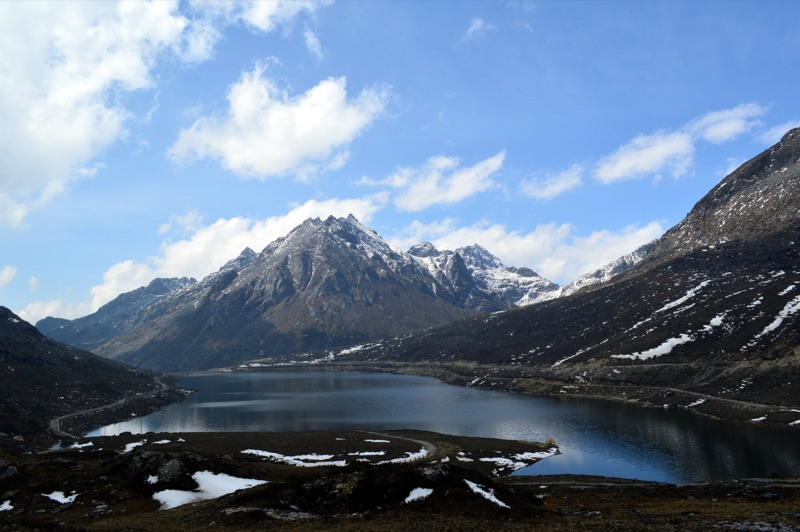
January is the coldest month, and in the hills, "cold" means business. Tawang, Ziro, and Gangtok drop below freezing at night — I woke up in a Tawang guesthouse in January to find ice on the inside of my window. Meanwhile, down in Assam and Tripura, daytime temps hover at a pleasant 12-22 degrees. By March, the hills warm up and burst into colour. Rain is basically non-existent through this whole period.
Why Visit Now
- Cherry blossoms in Shillong bloom from late November through January. Ward's Lake surrounded by pink blossoms is genuinely stunning — and far less crowded than Japan's cherry blossom season (at a fraction of the cost).
- Magh Bihu (mid-January) is Assam's harvest festival, and it's one of the warmest cultural experiences I've had anywhere. Communities build giant meji bonfires, everyone feasts together, and locals pull you into celebrations whether you planned to join or not. I ended up eating more pitha (rice cakes) than I thought humanly possible.
- Rhododendron season (March-April) transforms Sikkim and Arunachal. The Singalila Ridge and Barsey Sanctuary become corridors of red, pink, and white blooms. Honestly, if you're a nature person, this alone is worth the trip.
- Kaziranga is at peak form. The tall grass gets cut back in January-February, making rhino and elephant sightings even easier than November. This is actually my preferred time for Kaziranga — fewer tourists, better visibility.
- Prices drop 20-30% compared to the Oct-Dec peak. Hotels negotiate, tour operators offer deals. Your rupee goes further.
Don't visit Tawang in January unless you're genuinely comfortable with -15 degrees Celsius at night and the possibility of Sela Pass closing for a day or two due to snow. I've seen travellers stranded for two days because they didn't check road conditions before driving up. If you want Tawang in winter, always have a buffer day in your itinerary.
What to Watch Out For
Pack proper warm layers — thermals, down jacket, gloves, the works. This isn't "India cold," this is legitimate Himalayan cold. Also check our permits guide well in advance; processing times can slow down in winter at remote offices.
February is the sweet spot most people overlook. It's warmer than January, still off-peak prices, Kaziranga visibility is excellent, and you catch the tail end of cherry blossoms in Shillong. If I could only visit one month a year, it would honestly be February.
Bottom line: January-March gives you 80% of peak season quality at 70% of the price. Just pack warm for the hills.
April to May — Pre-Monsoon Window
Weather
Here's where it gets interesting. The lowlands turn into a furnace — Guwahati and Agartala hit 32-37 degrees and the humidity starts creeping up. But go up to the hills? Tawang, Ziro, Shillong, Gangtok — all sitting pretty at 15-25 degrees. April in the Northeast is really two different climates depending on altitude. May gets stickier, with pre-monsoon showers appearing late in the month, but the full monsoon doesn't arrive until June.
Why Visit Now
- Ziro Valley in April is pure magic. I spent three days there watching Apatani farmers prepare terraced rice paddies, wandering through villages where traditional nose plugs are still worn by elders, eating smoked fish with rice beer. The weather was perfect, the tourism crowd was almost zero. Honestly, if Ziro is on your list, April is the month.
- Tawang without the stress. Sela Pass is snow-free, the road from Bomdila is reliably clear, and the monastery sits in green valleys without monsoon fog. We drove through Sela at sunrise — no ice anxiety, just mountains in every direction.
- Yumthang Valley's rhododendron carpet. This peaks in April at high altitude. The drive from Lachung through Yumthang — with flowers covering the valley floor on both sides — is one of the most beautiful drives in India. Full stop.
- Last comfortable window before monsoon. If October-March doesn't work for your schedule, April is your final shot for most Northeast destinations.
Skip Guwahati in May. Seriously, it's unbearably hot and there isn't much to see. Fly in, get a shared Sumo to Shillong immediately, and start your trip in the hills. You can do your Guwahati shopping (silk, tea) on the way back when it's just a quick overnight stop.
What to Watch Out For
Don't build a lowland-only itinerary in May unless you enjoy sweating through your clothes. Mix hill stations with any lowland stops. Also note some high passes in Arunachal may still have snow until mid-April — check before you commit to a Tawang trip in the first week of the month.
Bottom line: April is the underrated gem. Hill stations are perfect, flowers are blooming, crowds are thin. May is pushing it — stick to the hills and you'll be fine.
June to September — Monsoon Season
Weather
Let me be honest: the monsoon in the Northeast is no joke. Cherrapunji-Mawsynram gets 2,000-3,000mm of rain between June and September — that's metres of water falling from the sky. The Brahmaputra floods and swallows Kaziranga and Majuli whole. Landslides close roads in Arunachal, Sikkim, and Manipur. The humidity is thick enough to feel like wearing a wet blanket.
So why am I not telling you to avoid it entirely? Because the monsoon Northeast has a raw, dramatic beauty that the dry season simply can't match.
Why Visit Now (Yes, Really)
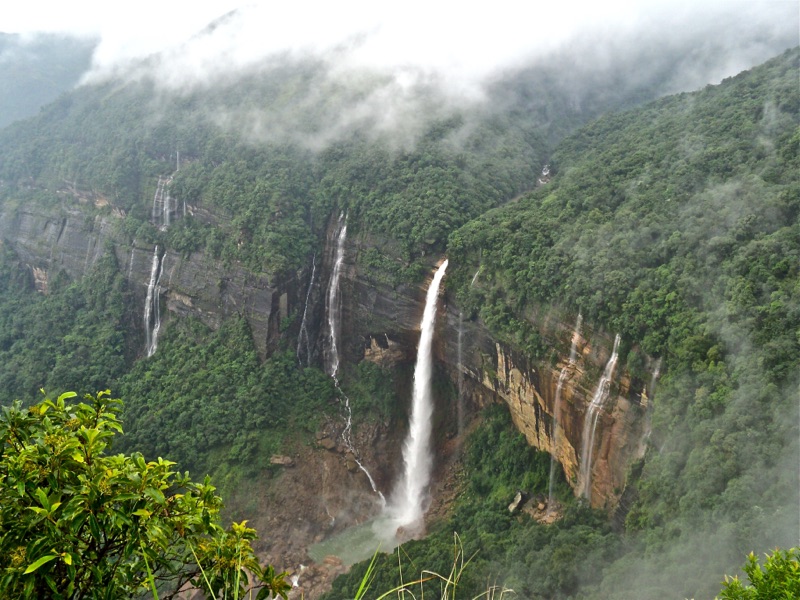
- Waterfalls at full power. Nohkalikai Falls during monsoon is genuinely one of the most awe-inspiring things I've seen anywhere in the world. The roar is so loud you can't hear the person next to you. Seven Sisters Falls, which is a trickle in March, becomes a thundering wall of water. If waterfalls are your thing, this is the only time.
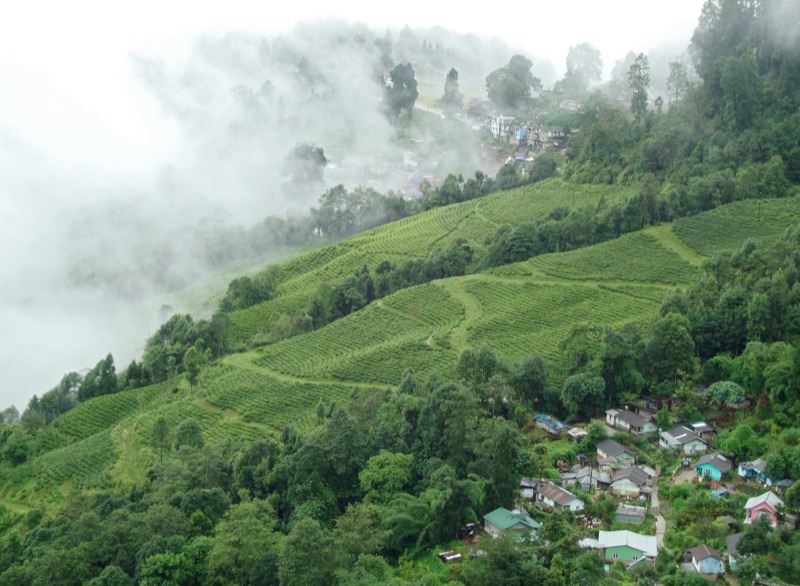
- The greens are unreal. I'm not exaggerating — rice paddies, tea gardens, and forests glow with a luminous green that doesn't exist in dry season. Photographers who love moody, atmospheric shots will lose their minds.
- Your budget goes 30-50% further. Hotel rates crash, flights to Guwahati hit their cheapest, and you have real bargaining power. Check our budget guide for exact comparisons.
- You get places to yourself. I walked to the double-decker root bridge in Nongriat during August. Zero other tourists. Just me, the bridge, and the sound of rain on leaves. That's an experience you'll never have in November.
Planning a monsoon trip to the Northeast and including Kaziranga. The park is completely closed from May to October due to flooding — no exceptions, no workarounds. Manas follows the same schedule. Plan your safari for another season entirely.
What to Watch Out For
Road delays are real — I'm talking hours, sometimes days. Carry rain gear, waterproof bags for electronics (seriously, double-bag your camera), and build flexibility into your itinerary. Leeches are common on forest trails (tuck your pants into your socks, carry salt). Internal flights face more cancellations. And keep your expectations adaptable — the monsoon rewards patience, not rigid scheduling.
September is the sweet spot for monsoon travel. Rain intensity drops compared to July-August, waterfalls are still impressive, and prices haven't climbed back up yet. Plus, the Ziro Music Festival usually happens in late September — one of the best small music festivals in Asia, set in an Apatani valley.
Bottom line: Monsoon travel is for adventurous souls who don't mind getting wet and value empty trails over perfect weather. If that's you, go for it. If not, skip it entirely.
Planning Your Trip?
Get our free 2026 Northeast India Travel Guide with detailed seasonal tips for each state.
Subscribe & Download Free GuideBest Time to Visit Northeast India by State
Here's the cheat sheet I wish I'd had on my first trip. Each state has its own weather personality, and getting the timing right for a multi-state itinerary takes a bit of planning. Bookmark this table — you'll keep coming back to it.
| State | Best Months | Highlights |
|---|---|---|
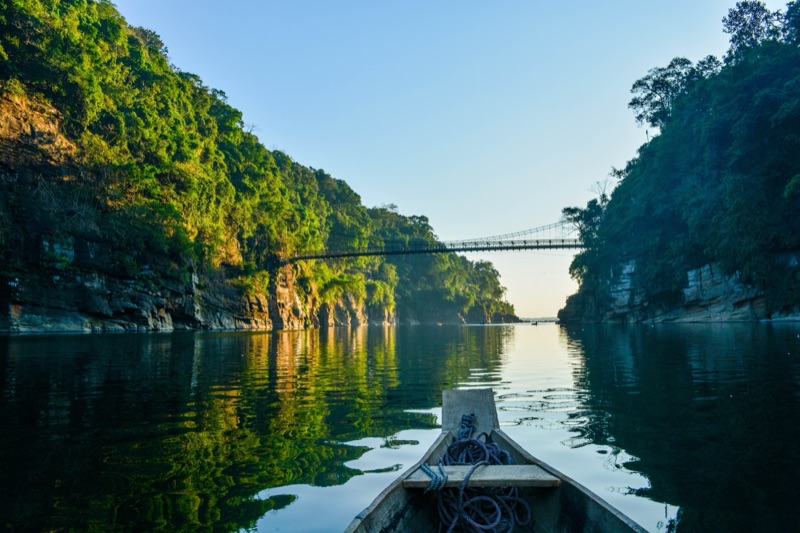
| Meghalaya | September to May | Living root bridges, Dawki river, caves. Monsoon brings epic waterfalls but heavy rain. |
| Arunachal Pradesh | October to April | Tawang monastery, Ziro Valley, tribal culture. Roads unreliable in monsoon. |
| Assam (Kaziranga) | November to April | One-horned rhinos, tea gardens, Majuli island. Park closed Jun-Oct due to floods. |
| Sikkim | March to May, October to December | Kanchenjunga views, rhododendrons (spring), monasteries. Two distinct ideal windows. |
| Nagaland | October to December | Hornbill Festival (Dec 1-10), Dzukou Valley trek, Kohima War Cemetery. Short peak window. |
| Manipur | October to March | Loktak Lake, Sangai Festival (Nov), Imphal War Cemetery. Cool and dry. |
| Mizoram | October to March | Aizawl, Phawngpui peak, Chapchar Kut festival (Mar). Lush hills, pleasant weather. |
| Tripura | September to March | Ujjayanta Palace, Neermahal water palace, tribal heritage. Avoid scorching Apr-May heat. |
See the pattern? Late October to mid-November is the only window where every single state in this table falls within its ideal period. That's not a coincidence — it's why we recommend it over and over. If you're doing a multi-state trip, this is the window to target. Browse our multi-state tour packages that are timed to align with exactly this.
Trying to combine Sikkim with Meghalaya? Don't. They're on opposite ends of the region and you'll waste 2 full days in transit. Pick one per trip, or add at least 12-14 days to your itinerary if you insist on both. Meghalaya + Assam is a natural pairing. Sikkim + Darjeeling is another.
Best Time for Specific Activities
Trekking
October-November and March-May are your windows. Post-monsoon (Oct-Nov) gives you dry trails, crystal views, and perfect temperatures. Spring (Mar-May) is warmer but you get wildflower blooms as a bonus — the Dzukou Valley trek in spring is something else entirely. Goechala in Sikkim, Sandakphu on the Nepal border, and Mechuka in Arunachal are all best done in these windows.
And please — do not attempt serious trekking during monsoon. I've heard stories of people trying Dzukou in July and turning back after two hours, covered in leeches with zero visibility. Just don't.
Wildlife Safaris
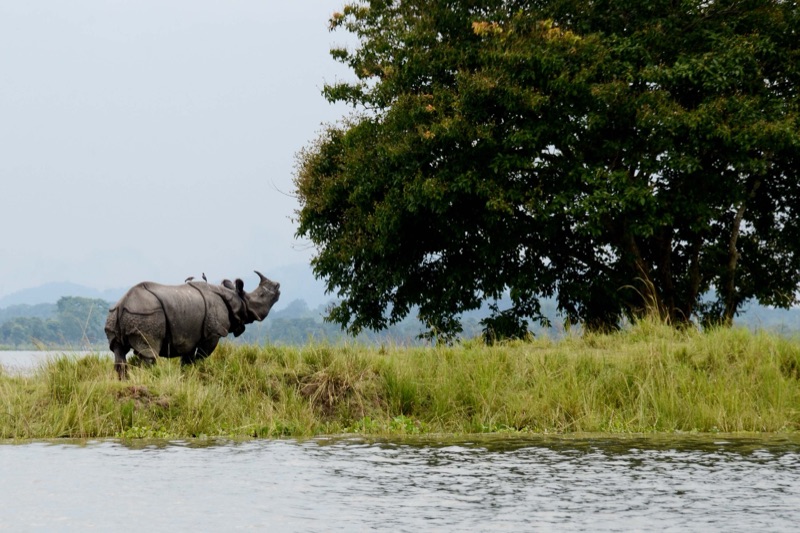
November to March, no question. January-March is actually better than November for Kaziranga because the tall elephant grass gets cut back and you can spot animals more easily. I've seen more wildlife in a single February morning than in an entire November day. For birdwatchers, January-February is peak season when migratory species arrive.
Forget the popular central range at Kaziranga (Kohora) — it's overrun with jeeps. The western range (Bagori) has better rhino density and far fewer vehicles. Pobitora Wildlife Sanctuary, about 45 minutes from Guwahati, has the highest rhino density in the world and almost no tourists. Add it to your itinerary.
Festivals
Festival season runs October to March, and honestly, if you can plan your trip around one of these, do it. The Hornbill Festival (Dec) is the headliner, but the Sangai Festival in Manipur (Nov) is underrated and growing fast. Magh Bihu (Jan) in Assam is the most welcoming — complete strangers will invite you to eat with their family around a bonfire. And Losar in Arunachal and Sikkim (Feb-Mar) gives you Tibetan Buddhist celebrations in settings that feel like another world.
Photography
October-December for clean light and clear skies. The golden hour over Kaziranga's grasslands, sunrise hitting Tawang Monastery, mist rolling through Nagaland's hills — this is where you get the shots that make people ask "where IS that?" Monsoon appeals to a different aesthetic (moody, dramatic, atmospheric) but you need weather-sealed gear and a lot of patience.
Budget Travel
Travel in the monsoon (Jun-Sep) for the absolute cheapest trip, or January-February for the best value-to-experience ratio. Jan-Feb gives you great weather, off-peak prices, and empty trails. The monsoon saves more money but demands more flexibility. See our complete budget breakdown for exact numbers.
Northeast India Festivals Calendar 2026
The Northeast has some of the most unique festivals in all of India — and most travellers have never heard of them. I've been lucky enough to attend several, and each one felt like stepping into a completely different culture. Here are the big ones for 2026 (dates are approximate — always confirm locally before booking around a specific festival).
| Month | Festival | State |
|---|---|---|
| January | Magh Bihu / Bhogali Bihu | Assam |
| January | Nongkrem Dance Festival | Meghalaya |
| February | Losar (Tibetan New Year) | Sikkim & Arunachal Pradesh |
| February | Torgya Festival | Arunachal Pradesh (Tawang) |
| March | Chapchar Kut | Mizoram |
| March | Holi / Dol Jatra | Manipur & Tripura |
| April | Rongali Bihu / Bohag Bihu | Assam |
| April | Saga Dawa | Sikkim |
| September | Ziro Music Festival | Arunachal Pradesh |
| October | Durga Puja | Assam & Tripura |
| November | Sangai Festival | Manipur |
| December 1-10 | Hornbill Festival | Nagaland (Kohima) |
Tips for Planning Your Northeast India Trip
Book Early for Peak Season (I Cannot Stress This Enough)
If you're going October-December, book at least two months out. I once tried to find a room in Kohima during Hornbill week with only three weeks' notice — everything was gone. Kaziranga lodges, Shillong guesthouses, and any Nagaland accommodation near the festival fill up fast. Locking in early with a package deal saves 15-20% versus scrambling last minute.
Pack Layers, Not Just Warm Clothes
This catches everyone off guard. A typical Assam-Meghalaya-Arunachal itinerary will have you sweating at 30 degrees in Guwahati and shivering at 5 degrees in Tawang — within 48 hours. My packing formula: moisture-wicking base layer, warm fleece, packable down jacket, and a waterproof shell. Thermals are non-negotiable for January-February in the hills. I learned this at Sela Pass when I couldn't feel my fingers for 20 minutes.
Get Your Permits Sorted Early
Arunachal Pradesh, Nagaland, Mizoram, and Manipur need Inner Line Permits (ILP) for Indians. Foreign nationals need Protected Area Permits for Arunachal and parts of Sikkim. It's not complicated, but you need to apply 7-14 days ahead. Our permit guide walks through the entire process.
Showing up at the Arunachal Pradesh border without an ILP. The checkpoint at Bhalukpong will turn you around, no exceptions. I've watched it happen to a carful of tourists who assumed they could "sort it out on arrival." Apply online before you leave home.
Build in Buffer Days
I will say this as many times as I need to: Northeast India roads are unpredictable. Military convoys, landslides, unexpected closures — any of these can add hours to your journey. Always build at least one buffer day into hill itineraries. The travellers who have the worst experiences here are always the ones with rigidly timed schedules and zero margin.
Consider Secondary Airports
Guwahati is the main gateway, but don't default to it blindly. Direct flights now serve Imphal, Dimapur, Agartala, Shillong (Umroi), and Pakyong (for Sikkim). Flying into a secondary airport can save you an entire day of driving. IndiGo and Air India have competitive fares on many of these routes — check before automatically booking Guwahati.
My Recommendation — Just Tell Me When to Go
After multiple trips across every season, here's my honest recommendation broken down by traveller type:
- First-time visitor, want the best experience: Go late October to mid-November. Best weather, best wildlife, festival season starting. Yes, it's peak season. Yes, it's worth it.
- Budget traveller who wants good weather: Go February. Off-peak prices, excellent Kaziranga visibility, fewer crowds, cherry blossom tail end in Shillong. This is the value sweet spot.
- Flower and nature lover: Go March-April. Rhododendrons in Sikkim, wildflowers in Dzukou, Ziro Valley at its greenest. Spring in the Northeast is underrated.
- Adventure photographer who doesn't mind rain: Go September. Monsoon waterfalls still roaring, landscapes at peak drama, Ziro Music Festival, and prices at rock bottom.
- Festival chaser: December for Hornbill (book 2 months early), January for Bihu, or February for Losar.
The biggest mistake I see people make? Overthinking the timing and never booking. The Northeast is extraordinary in every season — some just require more planning (and rain gear) than others. Pick a window, book it, and go. You won't regret it.
Ready to Plan Your Trip?
Subscribe for deal alerts, seasonal travel tips, and our free 2026 Northeast India Travel Guide.
Subscribe & Get Free GuideBrowse Travel Guides Explore Destinations Read the Permit Guide