Introduction — The Land of the Rising Sun
Arunachal Pradesh is where India greets the first sunrise each morning. The largest of the eight northeastern states by area, it stretches from the snow-capped peaks of the eastern Himalayas down through dense subtropical forests to the floodplains of the Brahmaputra. This is a land of staggering scale: over 83,000 square kilometres of mostly mountainous terrain, inhabited by 26 major tribes and more than 100 sub-tribes, each with distinct languages, customs, and traditions.
For travellers, Arunachal Pradesh delivers experiences found nowhere else in India. Tawang Monastery — the largest Buddhist monastery in India and second largest in the world after Lhasa's Potala — sits at 3,048 metres above sea level with panoramic views of snow-capped peaks. The drive to reach it crosses the legendary Sela Pass at 4,170 metres, one of the highest motorable passes in the country. Further east, the Ziro Valley is a UNESCO World Heritage Site tentative-list entry, home to the Apatani tribe and their remarkable sustainable rice-fish farming system practiced for centuries.
Arunachal Pradesh is not an easy destination. The distances are long, the roads are challenging, and every visitor — Indian or foreign — needs an Inner Line Permit. But this remoteness is precisely what preserves its magic. There are no crowds at Tawang, no tour buses choking the roads to Ziro, and the tribal cultures you encounter are living traditions, not performances staged for tourists. If you are willing to invest the time and effort, Arunachal Pradesh rewards you with what many experienced travellers call the most profound journey in all of India.
Top Places to Visit in Arunachal Pradesh
1. Tawang
Tawang is the crown jewel of Arunachal Pradesh and the primary reason most travellers undertake the long journey into the state. The town sits at about 3,048 metres in the western part of the state, surrounded by mountains and accessible only via a dramatic two-day road trip from Guwahati or Tezpur. The Tawang Monastery (Galden Namgey Lhatse), founded in the 17th century by Merak Lama, houses around 450 monks and contains a stunning 8-metre-tall gilded statue of the Buddha. The monastery library holds priceless Buddhist scriptures and thangka paintings. Beyond the monastery, visit the Tawang War Memorial (honouring soldiers of the 1962 Sino-Indian War), the serene Madhuri Lake (Sangetsar Lake), and the ancient nunnery at Ani Gompa for sweeping valley views.
2. Sela Pass
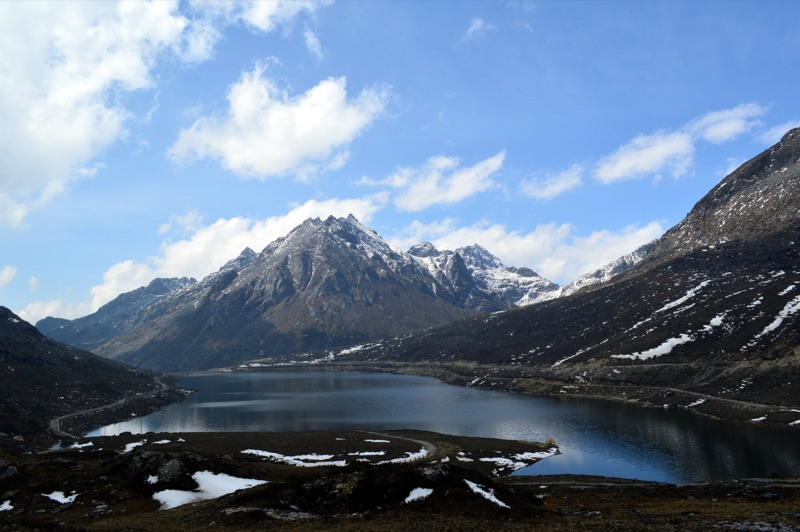
At 4,170 metres, Sela Pass is the dramatic gateway between the Tawang and West Kameng districts. The pass remains snow-covered for much of the year and is flanked by the pristine Sela Lake (Paradise Lake). On clear days, the panorama of snow peaks and prayer flags is extraordinary. The pass can close during heavy snowfall in January and February, so check road conditions with the BRO (Border Roads Organisation) before travelling in peak winter. The new Sela Tunnel (completed in recent years) provides an all-weather alternative route that bypasses the pass, significantly improving winter accessibility to Tawang.
3. Ziro Valley
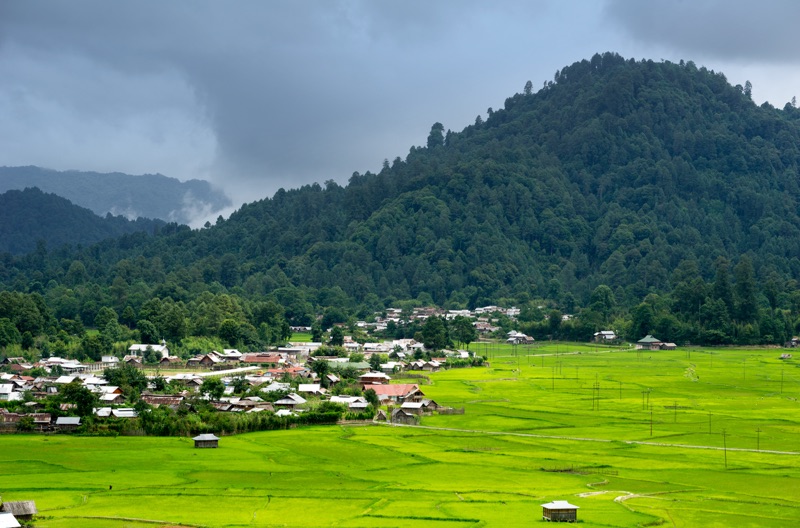
Ziro Valley, in the Lower Subansiri district, is a flat, fertile plateau at about 1,500 metres surrounded by pine-clad hills. The Apatani tribe has farmed this valley for centuries using an ingenious system of wet rice cultivation combined with fish farming in the same paddy fields — a practice that has earned Ziro a place on UNESCO's tentative World Heritage List. Walking through Apatani villages like Hong, Hari, and Dutta is a window into a way of life that has changed remarkably little. Ziro also hosts the annual Ziro Festival of Music (usually September/October), an independent outdoor music festival that draws artists and audiences from across India and has become one of the northeast's most celebrated cultural events.
4. Bomdila
Bomdila (2,415 m) is the district headquarters of West Kameng and a common overnight stop on the road from Tezpur to Tawang. The town offers spectacular views of Kangto and Gorichen peaks (Arunachal's highest) on clear mornings. The Bomdila Monastery (Gentse Gaden Rabgyel Ling) is a large Buddhist gompa with vivid murals and a peaceful courtyard. The local craft centre sells beautiful Monpa handloom textiles. Bomdila is also the gateway to the apple orchards and yak-herding settlements of the higher valleys.
5. Dirang
Tucked between Bomdila and Sela Pass at about 1,500 metres, Dirang is a sleepy town with natural hot springs, a 500-year-old stone fortress (Dirang Dzong), and a National Yak Research Centre where you can see yaks up close. The Sangti Valley nearby is a wintering ground for black-necked cranes — one of the rarest cranes in the world — between November and March. Many travellers now use Dirang as a base instead of Bomdila due to its warmer climate, better food options, and the stunning Mandala Top viewpoint nearby.
6. Namdapha National Park
Namdapha, in the Changlang district of eastern Arunachal, is the largest protected area in the eastern Himalaya and one of the most biodiverse regions on Earth. It is the only park in the world known to shelter four big cat species: tiger, leopard, snow leopard, and clouded leopard. The park also harbours the critically endangered Namdapha flying squirrel, found nowhere else. Access requires a multi-day trek with a guide, and facilities are basic — this is genuine frontier wilderness, best suited for experienced trekkers and wildlife enthusiasts.
7. Pasighat
Pasighat, the oldest town in Arunachal Pradesh (founded 1911), sits on the banks of the Siang River (the name given to the Brahmaputra before it enters Assam). It is the gateway to the Adi tribal heartland and offers river rafting on the Siang, trekking to Daying Ering Wildlife Sanctuary, and visits to Adi longhouses in surrounding villages. Pasighat has an airport with connections to Guwahati, making it one of the more accessible entry points into eastern Arunachal.
8. Mechuka
Mechuka (also spelled Menchuka) is a remote valley at about 1,829 metres in the West Siang district, near the border with Tibet. Often called a hidden Shangri-La, it is home to the Adi and Memba tribes and features an ancient Buddhist gompa, terraced fields, and a landscape that feels untouched by time. The drive from Pasighat to Mechuka (about 6–7 hours on mountain roads) is an adventure in itself. Mechuka has basic guesthouses and homestays; come here for solitude, hiking, and cultural immersion rather than creature comforts.
Best Time to Visit Arunachal Pradesh
Arunachal Pradesh has two ideal travel windows: March to June and September to October. The right time depends on which part of the state you plan to visit and your tolerance for cold.
- March – April: Spring. Rhododendrons bloom across the mountains. Roads to Tawang are generally open. Temperatures pleasant in the valleys (15–25°C) but still cold at higher elevations. Ideal for the Tawang circuit.
- May – June: Pre-monsoon. Warmer in the valleys. Ziro Valley is lush and green. Good for eastern Arunachal (Pasighat, Mechuka). Higher passes remain accessible. Some afternoon showers begin in late June.
- July – September: Monsoon. Heavy rainfall. Landslides are common, especially on the Tezpur–Tawang road. Not recommended for Tawang. The Ziro Festival of Music typically falls in late September, when rains begin to ease.
- October: Post-monsoon. Clear skies, excellent visibility. Roads reopen after monsoon repairs. One of the best months for photography. Ziro paddy fields turn golden before harvest.
- November – February: Winter. Sela Pass and higher areas receive heavy snow. Tawang temperatures drop below freezing. Sela Pass can close for days. If you travel in this window, the new Sela Tunnel helps, but carry warm gear for sub-zero conditions. Lower areas (Pasighat, Ziro) remain comfortable.
How to Reach Arunachal Pradesh
By Air
The most common approach is to fly into Guwahati (GAU) in Assam, then drive or take a shared vehicle onward. For eastern Arunachal, you can fly to Dibrugarh (DIB) or Lilabari (IXI) near North Lakhimpur. Pasighat Airport (IXT) has limited Alliance Air connections. Pawan Hans helicopter services operate from Guwahati to Tawang (weather-permitting, roughly 1 hour vs. 2 days by road), though schedules are irregular and seats extremely limited. Book well in advance if available.
By Road (Tawang Route)
The classic Tawang road trip is a two-day drive from Guwahati. The typical route is:
Day 1: Guwahati → Tezpur (180 km, 4 hrs) → Bomdila (180 km, 6–7 hrs). Total: roughly 10–11 hours with stops. Some travellers break at Dirang instead of Bomdila.
Day 2: Bomdila/Dirang → Sela Pass → Tawang (180 km from Bomdila, 7–8 hrs). The road climbs from 2,400 m to 4,170 m at Sela Pass, then descends to Tawang at 3,048 m.
Private SUV hire from Guwahati to Tawang costs INR 15,000–20,000 one way. Shared Sumo/Tata Winger services run from Tezpur to Tawang (roughly INR 800–1,200 per seat, one day). Roads are maintained by the BRO but expect rough patches, especially after monsoon.
By Road (Ziro Route)
From North Lakhimpur (reachable by train or road from Guwahati via Tezpur): North Lakhimpur → Ziro is about 115 km, 4–5 hours. Shared Sumos run daily. Alternatively, from Itanagar (the state capital): Itanagar → Ziro is about 115 km, 4–5 hours.
By Train
Arunachal Pradesh has very limited rail infrastructure. The nearest major stations are Tezpur (Dekargaon) and North Lakhimpur in Assam. Naharlagun (near Itanagar) has a small station with a few trains from Guwahati. From any of these, onward travel is by road.
Inner Line Permit (ILP) — Mandatory for All Visitors
Every visitor to Arunachal Pradesh — Indian and foreign — requires an Inner Line Permit (ILP). This is non-negotiable. You will be checked at multiple entry points, and travel without a valid ILP can result in being turned back or fined.
How to Apply (Indian Citizens)
- Apply online through the Arunachal Pradesh e-ILP portal (arunachalilp.com). The process takes 2–5 working days for approval.
- You will need: a passport-size photo, ID proof (Aadhaar/Voter ID/Passport), and a detailed itinerary listing the districts you plan to visit.
- ILP is issued for a specific duration (typically 15–30 days) and for specific districts. Make sure to list all districts you will transit through, not just your final destination.
- Alternatively, ILPs can be obtained in person at Arunachal Pradesh Resident Commissioner offices in Guwahati, Delhi, Kolkata, and Shillong. The Guwahati office (near the Secretariat in Nayapalli) is the fastest — often same-day issuance.
Foreign Nationals
Foreign tourists need a Protected Area Permit (PAP), which is more restrictive. PAPs require travel in a group of at least 2 persons with a registered tour operator. Apply through a travel agency or at the Ministry of Home Affairs. Processing takes 4–6 weeks. Some areas (especially near the China/Myanmar borders) may be restricted even with a PAP.
For a complete walkthrough of the ILP application process, common mistakes to avoid, and processing times, read our comprehensive permits guide for northeast India.
7-Day Tawang Circuit Itinerary
This is the most popular Arunachal Pradesh tour itinerary, covering the western circuit from Guwahati to Tawang and back. It can be extended to 9–10 days if you add Ziro Valley.
Day 1: Guwahati to Bhalukpong/Dirang
Depart Guwahati early morning. Drive via Tezpur (stop for lunch and Da Parbatia ruins). Enter Arunachal Pradesh at Bhalukpong checkpost (ILP verification). Continue to Dirang (total ~350 km, 10–11 hours). Overnight in Dirang — soak in the hot springs if you arrive with daylight.
Day 2: Dirang to Tawang via Sela Pass
Start early for the 180 km drive to Tawang. Cross Sela Pass (4,170 m) — stop for photos at Sela Lake and the war memorial. Descend through Jaswantgarh War Memorial. Arrive Tawang by afternoon. Evening walk around the town and visit the local market for Monpa handicrafts.
Day 3: Tawang Monastery & Local Sightseeing
Full day in Tawang. Morning visit to Tawang Monastery — attend the morning prayer session if possible (usually around 5:30–6:00 AM for the devoted, or arrive by 8:00 AM for a calmer visit). Explore the monastery museum and library. Afternoon: visit Ani Gompa (nunnery), Urgelling Monastery (birthplace of the 6th Dalai Lama), and the Tawang War Memorial with its moving light-and-sound show (evening, check timings locally).
Day 4: Bum La Pass & Madhuri Lake
Day trip to Bum La Pass (the India-China border at 4,633 m) — requires a separate permit obtained through Tawang DC office or your tour operator. On the way back, stop at Madhuri Lake (Sangetsar Lake), a stunning turquoise lake formed by an earthquake in 1950 and named after a Bollywood film shot here. Return to Tawang for the night.
Day 5: Tawang to Bomdila
Begin the return journey. Drive from Tawang back over Sela Pass to Bomdila (approximately 180 km, 7–8 hours). Visit the Bomdila Monastery and the craft centre in the evening. Enjoy the panoramic sunrise view of Kangto and Gorichen peaks the following morning (weather permitting).
Day 6: Bomdila to Nameri / Tezpur
Drive down from Bomdila to the foothills. Option A: Stop at Nameri National Park for river rafting on the Jia Bharali (seasonal) and a nature walk. Option B: Head to Tezpur for the Agnigarh Hill ruins and Da Parbatia. Overnight in Tezpur or near Nameri.
Day 7: Tezpur to Guwahati
Relaxed morning drive to Guwahati (180 km, 4 hours). Afternoon: visit Kamakhya Temple or enjoy a Brahmaputra sunset cruise. Depart from Guwahati airport or continue your northeast India tour.
Where to Stay in Arunachal Pradesh
Tawang
Tawang has a decent selection of hotels and guesthouses, though nothing luxury-tier. Hotel Tawang Heights and Hotel Zambala are popular mid-range options (INR 2,000–3,500) with mountain views and room heaters (essential in winter). Tawang Inn and various government-run circuit houses offer budget beds from INR 800–1,500. Homestays are emerging as an option and provide a warmer (literally — heated by bukhari stoves) and more cultural experience. Book ahead during peak season (April–May and October) as Tawang has limited room inventory.
Bomdila & Dirang
Both towns have modest but clean accommodation. In Bomdila, Hotel Siphiyang Phong is a good mid-range choice. In Dirang, Pemaling Hotel and several new homestays near the hot springs area offer comfortable stays in the INR 1,500–3,000 range. Dirang generally has better food options and a milder climate than Bomdila, making it the preferred overnight stop on the Tawang route.
Ziro
Ziro Valley Resort and Hotel Blue Pine are the established options (INR 2,000–3,500). Several excellent Apatani homestays have opened in recent years, offering bamboo-walled rooms and home-cooked tribal meals at INR 800–1,500 per night. Staying with an Apatani family is one of the most authentic cultural experiences in all of northeast India.
Pasighat & Mechuka
Pasighat has hotels ranging from INR 1,000 to INR 3,000. The Siang View Eco Resort on the river bank is a standout. Mechuka has very basic guesthouses and a handful of homestays — expect simple rooms but genuinely warm hospitality. Power supply can be erratic in remote areas, so bring a power bank.
Arunachal Pradesh Trip Budget & Costs (2026)
Arunachal Pradesh is one of the more expensive northeast states to travel in, primarily because of long driving distances, limited public transport, and fewer accommodation options. Here is a realistic budget for a 7-day Tawang circuit:
| Category | Budget | Mid-Range | Comfort |
|---|---|---|---|
| Accommodation (per night) | INR 800 – 1,500 | INR 2,000 – 3,500 | INR 4,000 – 6,000 |
| Meals (per day) | INR 500 – 800 | INR 1,000 – 1,500 | INR 1,500 – 2,500 |
| Transport (private SUV, per day) | INR 3,000 – 4,500 per day for a dedicated SUV with driver (split among passengers to reduce cost) | ||
| Transport (shared Sumo seat) | INR 600 – 1,200 per leg depending on distance | ||
| ILP Permit | INR 100 (online application fee) | ||
| 7-day total (approx.) | INR 18,000 – 25,000 | INR 35,000 – 50,000 | INR 55,000 – 80,000 |
Prices are per person and exclude flights to Guwahati. Budget tier assumes shared Sumos and basic guesthouses. Mid-range includes private SUV shared between 2–3 travellers with decent hotels. The comfort tier reflects a dedicated private vehicle and the best available accommodation.
For a detailed comparison across all northeast states, see our Northeast India Budget Guide.
Culture & Festivals
Arunachal Pradesh is home to 26 major tribes, making it one of the most ethnically diverse places in Asia. The cultural landscape ranges from Tibetan Buddhism in the west (Monpa and Sherdukpen tribes) to animist traditions among the Adi, Apatani, Nyishi, and Galo tribes in the central and eastern regions. Understanding and respecting this diversity is central to a meaningful visit.
The Monpa People (Tawang & West Kameng)
The Monpa are the dominant tribe of the Tawang and West Kameng districts. They follow Mahayana Buddhism of the Gelug school (the same tradition as the Dalai Lama) and their monasteries, festivals, and daily life are infused with Buddhist philosophy. Monpa handloom textiles — especially the distinctive red-and-black shawls and yak-wool carpets — are prized throughout the northeast. Their cuisine features thukpa (noodle soup), momos (dumplings), butter tea, and zan (a roasted barley porridge), reflecting close cultural ties with Tibet and Bhutan.
Key Festivals
- Losar (Monpa New Year): Celebrated in February/March with masked dances (cham dances), prayers at monasteries, and community feasting. If your trip coincides with Losar, the festivities at Tawang Monastery are spectacular.
- Torgya Festival: Held every January at Tawang Monastery. A three-day festival featuring elaborate masked dances performed by monks to ward off evil spirits and welcome the new year. The ritual costumes and choreography are centuries old.
- Myoko Festival (Apatani, Ziro): A spring fertility festival held in March, marking the start of the agricultural season. The entire Ziro Valley comes together for rituals, feasting, and traditional sports. Witnessing Myoko is one of the most immersive tribal experiences in India.
- Solung Festival (Adi tribe): Celebrated in September in the Adi areas around Pasighat. Harvest festival with animal sacrifices, traditional dances, and rice beer.
- Ziro Festival of Music: An annual independent music festival (usually late September/early October) set in the rice fields of Ziro Valley. Not a traditional festival, but a modern cultural event that beautifully fuses the valley's pastoral setting with contemporary Indian music.
Cultural Etiquette
Ask permission before photographing people, especially elders and religious ceremonies. Remove shoes before entering monasteries and homes. In Buddhist areas, walk clockwise around stupas and prayer wheels. In tribal villages, dress modestly and follow your guide's lead. The people of Arunachal are generally warm and welcoming, but their cultures deserve the same respect you would accord any sacred tradition.
Essential Travel Tips for Arunachal Pradesh
- Get your ILP sorted well before departure. Apply online at least 1–2 weeks ahead. Carry 5–6 printed copies. No ILP = no entry at checkposts.
- Hire a reliable SUV with a local driver. Self-driving is possible but not recommended for the Tawang route due to narrow mountain roads, unpredictable weather, and landslide zones. A local driver who knows the roads is worth every rupee.
- Pack for extreme temperature variation. You can start the day at 5°C at Sela Pass and end at 20°C in the valley. Layer up: thermal base layer, fleece mid-layer, waterproof outer shell. Carry gloves and a warm hat for winter trips.
- Carry cash. ATMs are unreliable or nonexistent beyond Bomdila. The last reliable ATM on the Tawang route is in Tezpur. Carry enough cash for your entire Arunachal leg. UPI coverage is patchy in remote areas.
- Mobile connectivity is limited. Airtel has the best coverage along the Tawang corridor, but expect dead zones between Dirang and Tawang and in most of eastern Arunachal. BSNL works in some areas where private operators do not. Download offline maps before you leave Guwahati.
- Be prepared for road closures. Sela Pass can close due to snow (winter) or landslides (monsoon). Always check with BRO or local contacts before departure. The new Sela Tunnel provides an alternative in winter.
- Fuel up at every opportunity. Petrol pumps are far apart. Fill your tank in Tezpur, Bomdila, Dirang, and Tawang. Running out of fuel in remote stretches is a real risk.
- Altitude awareness. Sela Pass (4,170 m) and Bum La (4,633 m) are high enough to cause mild altitude sickness. Stay hydrated, avoid alcohol the day before crossing, and ascend gradually. If you experience severe headache or breathlessness, descend immediately.
- Respect military zones. Large parts of Arunachal are close to the India-China border. Military installations are common. Never photograph army checkposts, convoys, or sensitive installations.
- Combine with Assam for a comprehensive trip. A 10–12 day circuit covering Guwahati, Kaziranga, Tezpur, and the Tawang loop is the definitive northeast India tour. See our Assam Travel Guide for the Assam portion.
Ready to Explore Arunachal Pradesh?
Get our free 2026 Northeast India Travel Guide with ILP application walkthrough, packing lists, and budget templates delivered to your inbox.
Get Free Guide →