Trip at a Glance
Nagaland does not do half-measures. The food is fiery, the history is heavy, the tribal culture is unlike anything else in India, and the Dzukou Valley trek will make your legs burn in the best possible way. Four days is tight but enough to hit the highlights around Kohima.
| Duration | 4 days / 3 nights |
| Budget | 10,000–25,000 INR per person (excluding flights) |
| Best Time | October–March (December for Hornbill Festival) |
| Start/End | Dimapur (nearest airport & railway station) |
| Difficulty | Moderate (Dzukou Valley trek is 6 hrs round trip) |
| Permit | ILP required for Indian citizens. RAP for foreigners. |
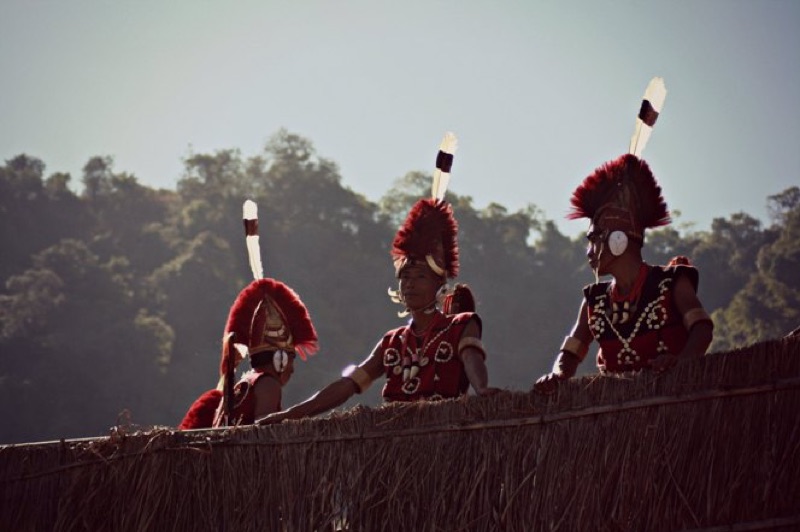
If you are visiting in December, time your trip around the Hornbill Festival (1–10 December at Kisama Heritage Village). It is the single best cultural event in all of Northeast India — every major Naga tribe performing dances, sports, and feasts in one place.
The 4-Day Itinerary
Day 1: Dimapur → Kohima
Distance: 75 km | Drive: ~3 hours | Stay: Kohima
Fly or take a train into Dimapur, then drive to Kohima. The road is decent but winding — expect 3 hours. Your ILP will be checked at the Kohima entry gate.
After checking in, head straight to the Kohima War Cemetery. This is a WWII Commonwealth cemetery maintained by the CWGC, dedicated to the soldiers who died in the Battle of Kohima (1944) — one of the most decisive battles of the war. It is beautifully maintained, deeply moving, and quieter than you expect. The terraced graves looking out over the Kohima valley will stay with you.
Afternoon: Visit the Kohima State Museum for a crash course in Naga tribal history — traditional weapons, costumes, and cultural artifacts. Entry is 20 INR. Then walk through the local market for an introduction to Naga food culture (smoked meats, fermented bamboo shoots, dried fish — the flavours are bold).
Day 2: Dzukou Valley Trek
Trek: ~6 hours round trip | Starting point: Viswema village (20 km from Kohima) | Stay: Kohima
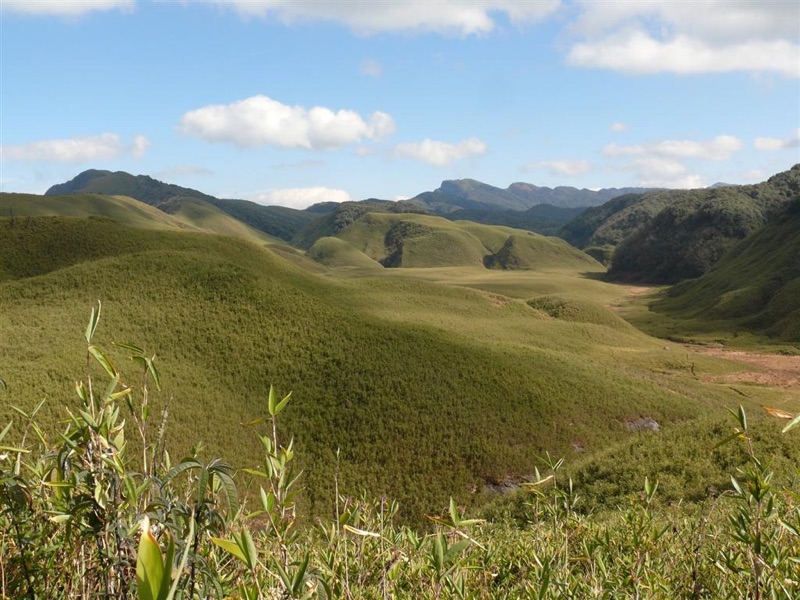
Early start — leave Kohima by 6 AM. Drive to Viswema village (the trailhead), then begin the trek. The path climbs steadily through forest for about 2–3 hours before opening into the valley. And when it opens up — rolling green hills stretching to the horizon, seasonal wildflowers (best in June–September), and not a single other tourist in sight. People call it the Valley of Flowers of the East, and it earns the name.
What to bring:
- Packed lunch and snacks (no food available on the trail)
- At least 2 litres of water
- Rain jacket (weather changes fast)
- Good trekking shoes (the trail gets slippery)
- A light layer for the valley (it is cooler up there)
Return to Kohima by afternoon. Reward yourself with a dinner of smoked pork with axone (fermented soybean) at a local Naga restaurant. Your legs will hurt. The food will help.
If you want to spend a night in Dzukou Valley, basic camping shelters exist (no facilities). Bring a sleeping bag and all supplies. The sunrise from inside the valley is extraordinary.
Day 3: Kohima Sightseeing
Highlights: Kisama Heritage Village, Dzulekie village, Naga cuisine
Rest day for your legs. Hire a local taxi (800–1,200 INR for the day).
- Naga Heritage Village, Kisama: 10 km from Kohima. Each Naga tribe has a traditional morung (house) here, showcasing their distinct architecture, crafts, and culture. Outside Hornbill Festival time, it is quiet but still worth visiting. During the Hornbill Festival (1–10 December), this place transforms into a massive celebration — tribal dances, Naga wrestling, chilli-eating contests, rock concerts, and food stalls from every tribe.
- Dzulekie village: A scenic Angami Naga village about 25 km from Kohima, known for its picnic spot by the river and community fish ponds. Peaceful and photogenic.
- Naga cuisine: Do not leave Nagaland without trying smoked pork with bamboo shoot, axone chutney, and sticky rice. For the adventurous: silkworm pupae and raja mircha (one of the hottest chillies in the world).
Day 4: Kohima → Dimapur, Depart
Distance: 75 km | Drive: ~3 hours
Morning: Pick up souvenirs. Naga shawls are the standout buy — each tribe has its own distinct pattern and colour scheme. Genuine hand-woven shawls cost 1,500–5,000 INR depending on quality. Also look for Naga jewellery (beaded necklaces), bamboo crafts, and raja mircha hot sauce.
Drive back to Dimapur for your onward flight or train.
Optional: Mon District Extension (+2 Days)
If you have extra time, add Mon district to your itinerary. This is home to the Konyak tribe — the former headhunters of Nagaland. The last tattooed warriors (men who took heads in battle, marked with facial tattoos) are still alive, though elderly. Visiting their villages is remote, rough, and genuinely unforgettable.
- Day 5: Kohima to Mon (280 km, 8–9 hours by road). Alternatively, fly Dimapur to Jorhat and drive to Mon from the Assam side.
- Day 6: Visit Konyak villages (Shangnyu, Longwa — which straddles the India-Myanmar border), meet village elders, see the traditional morungs. Return to Mon, then to Dimapur next day.
Note: Mon roads are rough. 4WD recommended. Book a local guide through your hotel in Mon town.
Budget Breakdown (Per Person, 4 Days)
| Category | Budget | Mid-Range | Comfortable |
|---|---|---|---|
| Accommodation | 1,800 INR | 4,500 INR | 9,000 INR |
| Food | 1,800 INR | 3,000 INR | 5,000 INR |
| Transport | 1,500 INR | 3,000 INR | 5,000 INR |
| Trek guide (optional) | 0 INR | 500 INR | 1,000 INR |
| Entry fees & permits | 200 INR | 200 INR | 200 INR |
| Shopping & misc | 500 INR | 2,000 INR | 4,000 INR |
| Total | ~5,800 INR | ~13,200 INR | ~24,200 INR |
Note: Flights or trains to Dimapur not included. Hornbill Festival period (December) increases accommodation costs by 50–100%. Book early. For full cost details, see our Northeast India Budget Guide.
Essential Tips
- Get your ILP sorted. Apply online through the Nagaland ILP portal. Processing takes 2–5 days. Carry printed copies. Your hotel can also help arrange it if you are short on time.
- Carry cash. ATMs exist in Kohima and Dimapur but are unreliable elsewhere. UPI works at some Kohima shops but not universally. Withdraw enough in Dimapur for the full trip.
- Respect tribal customs. Always ask before photographing people, especially elders. Do not touch ceremonial objects in morungs. Dress modestly in villages. The Naga communities are welcoming but privacy matters.
- Book Hornbill Festival accommodation by September. Hotels in Kohima triple in price and sell out fast. Homestays are an excellent alternative and give you a more authentic experience.
- The Dzukou trek is not for beginners in monsoon. July–September brings leeches and extremely slippery trails. Best trekking months are October–November (post-monsoon wildflowers) and March–May (dry, clear views).
For permit details covering all Northeast states, read our complete ILP and permit guide.
Compare Nagaland Tour Packages
Find the best-value packages from top operators. Compare prices, itineraries, and reviews in one place.
Compare Packages NowGet Our Free Northeast India Planning Checklist
Subscribe to our newsletter and receive a downloadable checklist covering packing, permits, booking timeline, and more.
Subscribe Free