Table of Contents
Why This Comparison Matters
If you have five to seven days for a Northeast India trip and you can only pick one state, it almost always comes down to Meghalaya or Sikkim. I know because I have fielded this exact question from friends, family, and strangers on Reddit more times than I can count. Both states are stunning. Both are relatively accessible. And both will absolutely ruin you for mainstream tourist destinations.
But they are very different experiences. Meghalaya is subtropical, green, wet, and rooted in Khasi tribal culture. Sikkim is alpine, Buddhist, mountainous, and anchored by Kanchenjunga. Picking the right one for your first trip depends on what kind of traveller you are, when you are going, and what moves you.
I have spent a combined seven weeks across these two states over different seasons. Here is my honest comparison — no fence-sitting, no diplomatic non-answers. By the end of this, you will know exactly which one to book.
Nature & Landscapes
Meghalaya
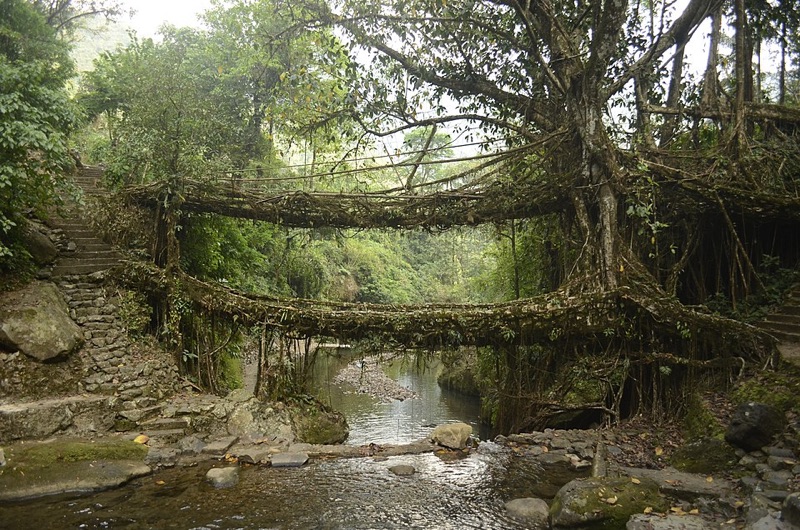
Meghalaya is waterfalls, caves, canyons, living root bridges, and the clearest rivers you have ever seen. The Dawki River is so transparent that boats appear to float in mid-air. Nohkalikai Falls drops 340 metres into a turquoise pool. The Mawsmai Caves glow with limestone formations. And the living root bridges of Nongriat — grown over centuries by Khasi tribespeople who trained tree roots across rivers — are genuinely unlike anything else on the planet.
The landscape is subtropical. Expect rolling green hills, deep valleys, orange groves, and betel nut plantations. The air is thick and humid in the lowlands, crisp and cool in Shillong. Everything is green. Absurdly, impossibly green.
Sikkim
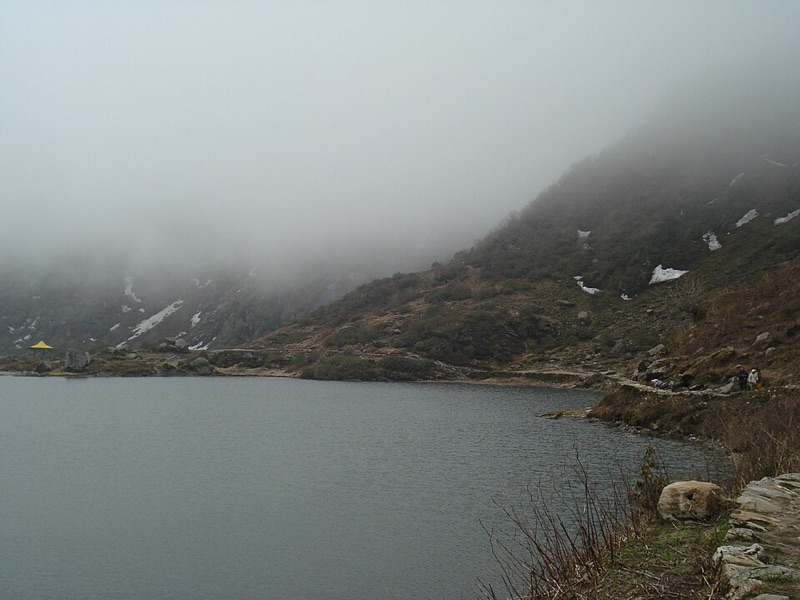
Sikkim is high-altitude drama. Kanchenjunga, the third highest mountain in the world, dominates the skyline. Tsomgo Lake sits frozen at 3,753 metres. Prayer flags snap in thin mountain air outside 400-year-old monasteries. Yumthang Valley in spring is a rhododendron carpet that stretches to the horizon.
The landscape shifts rapidly from subtropical forests in the south to alpine meadows and glacial lakes in the north. If you go to North Sikkim — and you absolutely should — you will drive through zones that feel like entirely different countries within a few hours.
My take: Meghalaya wins for unique, one-of-a-kind experiences (root bridges, crystal rivers, caves). Sikkim wins for sheer scale and mountain grandeur. If you are a mountain person, go Sikkim. If you want something you literally cannot see anywhere else on Earth, go Meghalaya.
Culture & People
Meghalaya
Meghalaya is home to the Khasi, Jaintia, and Garo tribes — and here is something remarkable: the Khasi are one of the world's few remaining matrilineal societies. Children take the mother's surname. Property passes through the female line. The youngest daughter inherits the family home. As a traveller, you will notice strong, confident women running businesses, guiding treks, and managing guesthouses across the state.
The culture is warm but slightly reserved. English is widely spoken (Meghalaya was a British missionary stronghold), and churches dot every hillside. Music is huge here — Shillong is called the Rock Capital of India, and live bands play in cafes almost every evening.
Sikkim
Sikkim feels like a pocket of Tibet transplanted into India. Monasteries with golden prayer wheels, fluttering prayer flags, and monks in maroon robes define the visual landscape. Rumtek Monastery, Pemayangtse, and Tashiding are extraordinary places that radiate centuries of Buddhist devotion.
The people are incredibly welcoming — Sikkimese hospitality is legendary. The state also has a significant Nepali population, which means Nepali food, Nepali festivals, and a cultural blend that feels unique in all of India. Gangtok is clean, well-organised, and surprisingly cosmopolitan for a small Himalayan town.
My take: Both cultures are fascinating, but Sikkim is easier to engage with as a short-term visitor. Monasteries are open, festivals are colourful, and the Buddhist atmosphere is instantly immersive. Meghalaya's culture reveals itself more slowly — you need a few extra days and a local guide to really get beneath the surface.
Travel Difficulty & Accessibility
Meghalaya
Getting to Meghalaya is straightforward. Fly to Guwahati, grab a shared taxi to Shillong (3 hours), and you are in. Roads within Meghalaya are decent — the Shillong-Cherrapunji highway is a smooth two-lane road with gorgeous views. The tricky part is the root bridges: reaching the Double Decker Root Bridge at Nongriat requires a 3,500-step descent (and the same climb back up). It is genuinely strenuous. If you have knee issues or low fitness, this will be the hardest part of any Northeast India trip.
Sikkim
Sikkim involves altitude. Gangtok sits at 1,650 metres, which is fine. But Tsomgo Lake (3,753m), Nathula Pass (4,310m), and North Sikkim's Gurudongmar Lake (5,183m) are high enough to cause altitude sickness if you rush. Roads in North Sikkim are rough — we are talking unpaved mountain roads with sheer drops. Shared jeeps are the standard transport and can be genuinely terrifying if you are not used to mountain driving.
Altitude warning: If you are going to North Sikkim or Nathula Pass, do not fly into Bagdogra and drive straight to high altitude on the same day. Spend at least one night in Gangtok to acclimatise. Acute Mountain Sickness (AMS) is real and can ruin your trip — or worse.
My take: Meghalaya is easier overall. The challenge is physical fitness (stairs), not altitude. Sikkim is more demanding logistically — permits, altitude acclimatisation, rougher roads. First-time Northeast travellers with limited time may find Meghalaya more manageable.
Can't Decide? Get Our Free Guide
Subscribe for personalised trip recommendations, seasonal alerts, and our free 2026 Northeast India Travel Guide.
Subscribe & Get Free GuideBudget Comparison
Both states are budget-friendly by Indian standards, but there are meaningful differences.
| Category | Meghalaya | Sikkim |
|---|---|---|
| Budget stay (per night) | 400 to 800 rupees | 500 to 1,000 rupees |
| Mid-range stay (per night) | 1,200 to 2,500 rupees | 1,500 to 3,500 rupees |
| Meals (per day) | 300 to 500 rupees | 400 to 600 rupees |
| Local transport (per day) | 300 to 600 rupees | 400 to 800 rupees |
| 5-day trip total (budget) | 5,000 to 8,000 rupees | 7,000 to 12,000 rupees |
Meghalaya is cheaper across the board. Shillong has a great backpacker scene with hostels starting at 400 rupees. Food is affordable — a plate of Jadoh (Khasi rice and pork) costs 80 to 120 rupees in a local eatery. Sikkim is slightly pricier because of the altitude logistics — North Sikkim jeep permits, vehicle costs on bad roads, and higher food prices in remote areas. That said, neither state will break the bank. Check our detailed budget guide for a full breakdown.
My take: Meghalaya is 20 to 30 percent cheaper than Sikkim for a comparable trip. If you are on a tight budget, Meghalaya stretches your rupees further.
Best Time to Visit
Meghalaya: October to May. The dry season means crystal-clear rivers, pleasant trekking weather, and accessible root bridges. Avoid June to September unless you specifically want monsoon waterfalls — the rain is relentless. Read our best time to visit guide for monthly details.
Sikkim: March to May (rhododendrons, clear Kanchenjunga views) and October to December (post-monsoon clarity, cool weather). Avoid July and August — landslides frequently block roads in North Sikkim.
The overlap window is October to November and March to April. If you want to combine both states in one trip, these months work for both.
Food
Meghalaya
Khasi food is pork-heavy, smoky, and deeply flavourful. Jadoh (rice cooked with pork blood and turmeric), Dohneiiong (pork with black sesame), and Tungrymbai (fermented soybean chutney) are the stars. The Khasi love their meat — vegetarian options exist but are limited in traditional eateries. Shillong has excellent cafes serving everything from momos to wood-fired pizza, though.
Sikkim
Sikkimese food blends Tibetan and Nepali influences. Thukpa (noodle soup), momos (everywhere, and excellent), Gundruk (fermented greens), and Sel Roti (sweet rice bread) are staples. The food is milder than Meghalaya's tribal cuisine but incredibly comforting, especially at altitude. Gangtok's MG Marg has a good range of restaurants catering to all tastes. Vegetarians will have an easier time in Sikkim than Meghalaya.
My take: Meghalaya for adventurous meat-eaters. Sikkim for comfort food lovers and vegetarians. Both states do momos exceptionally well — I refuse to declare a momo winner.
Permits & Logistics
Meghalaya: No permits required for Indian or foreign nationals. Just show up. This is a massive advantage over most other Northeast states.
Sikkim: Indian nationals do not need a permit for Gangtok and most of South and West Sikkim. However, North Sikkim, Nathula Pass, and Tsomgo Lake all require special permits arranged through a registered travel agent or tour operator. Foreign nationals need a Restricted Area Permit (RAP) and must travel with a registered agency. Check our complete permit guide for step-by-step instructions.
Important: Sikkim permits for North Sikkim and Nathula require photocopies of your ID and passport-size photos. Carry these with you — it saves time and hassle. Permits are not available online; they must be arranged through a local agent in Gangtok or your tour operator.
The Verdict — Which Should You Visit First?
Here is my honest, no-hedging answer.
Visit Meghalaya first if:
- You want a unique experience you genuinely cannot get anywhere else (living root bridges, crystal rivers)
- You are on a tight budget
- You do not want to deal with permits
- You enjoy subtropical landscapes, waterfalls, and caves
- You are reasonably fit and up for a trek down 3,500 steps
- You are a first-time Northeast India traveller and want something approachable
Visit Sikkim first if:
- Mountains are your thing — you dream of Kanchenjunga views and frozen lakes
- You love Buddhist culture, monasteries, and prayer flags
- You are travelling in March to April and want rhododendrons
- You prefer milder food and vegetarian-friendly options
- You have slightly more budget and do not mind arranging permits
- You have done high-altitude travel before and handle it well
My personal recommendation? If this is your very first trip to Northeast India and you have no strong mountain or monastery pull, start with Meghalaya. It is easier, cheaper, permit-free, and the root bridges alone justify the entire trip. Then come back for Sikkim — because you will come back. Nobody visits Northeast India just once.
And if you have ten days? Do both. Fly into Guwahati, spend five days in Meghalaya, backtrack to Siliguri or Bagdogra, and spend five days in Sikkim. It is one of the best ten-day itineraries in all of India. Browse our multi-state tour packages for pre-planned options that combine both states.
Ready to Plan Your Trip?
Subscribe for deal alerts, seasonal travel tips, and our free 2026 Northeast India Travel Guide.
Subscribe & Get Free GuideBrowse Travel Guides Explore Destinations Read the Permit Guide